

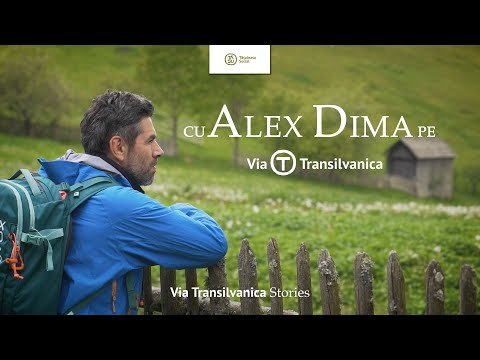
In the first episode of the series "With Alex Dima on Via Transilvanica", we explore the natural, cultural and historical stories and riches of Bucovina and the Highlands. This region of Romania is famous for its picturesque landscapes, wooden churches and living traditions. Through Alex Dima's experiences, we will discover the beauty and authenticity of these places, as well as meet their people. Banca Transilvania is the strategic partner supporting this story-telling exploration. So, get ready to join Alex Dima on his journey on the #D The RoadThatUnites!
Video Credits: Via Transilvanica Official
Via Transilvanica is one of the most fascinating walking routes in Romania, with a rich history, traditions, spectacular landscapes and traditional gastronomy. Located in the heart of Transylvania, this tourist destination offers opportunities for exploration and adventure for all those who wish to discover the beauty and authenticity of the places.
I. Attraction Points:
1. Mountain Landscape: With the Carpathian Mountains on the horizon, Via Transilvanica offers a spectacular view of nature, perfect for hiking and photography lovers.
2. Citadel and Castle: The route crosses a region rich in medieval fortresses and imposing castles, such as Bran Castle or Rupea Fortress.
3. Wooden Churches: Bucovina is famous for its painted wooden churches, which represent a true cultural and spiritual heritage.
4. Traditional Villages: The picturesque villages along the route offer a glimpse into authentic rural life, with traditional houses and local crafts.
5. Nature Reserves: Adventurers can explore the nature reserves along the route, such as Piatra Craiului National Park or the Turzii Gorges.
II. History and Traditions:
1. Cultural Heritage: Via Transilvanica still preserves the cultural influences of the various ethnic communities that have inhabited the area over the centuries.
2. Folklore and Customs: The route is marked by traditional festivals, local crafts and stories handed down from generation to generation.
3. Monasteries and hermitages: Old monasteries and hermitages can be visited along the way, offering a glimpse into the region's religious history.
III. Geography and adventures:
1. Hiking and Trekking: Via Transilvanica is suitable for hiking and trekking enthusiasts, offering varied nature trails.
2. Cycling: With trails specially designed for cyclists, the route is ideal for exploring the scenic landscapes on two wheels.
3. Outdoor Adventures: Thanks to the diversity of landscapes, tourists can experience activities such as rock climbing, rafting or bird watching.
IV. Culture and Gastronomy:
1. Traditional Gastronomy: Tourists can enjoy traditional dishes in local restaurants, ranging from traditional dishes to produce from eco-friendly farms.
2. Cultural Events: There are many cultural events along the route, from traditional music festivals to craft fairs.
3. Local crafts: Tourists can buy souvenirs handcrafted by local artisans, such as ceramics, textiles or wood.
V. Transportation and Accessibility:
1. Road access: The route is easily accessible by car, with exits at main intersections or villages along the route.
2. Public Transportation: It is possible to access various segments of the route by bus or train, making it easy for tourists without a car.
3. Travel by Bike: For those wishing to explore the route by bike, there are bike rental points in some of the towns along the route.
4. Tourist Guides: For a richer experience, tourists can use the services of local guides who organize themed tours or personalized excursions.
5. Accommodation and Services: Various accommodation options are available all along the route, ranging from agritourism guesthouses to luxury hotels, depending on the preferences and budget of each visitor.
Tourist Destination - Via Transilvanica is a complex experience, combining history and traditions with adventures in nature and the authentic taste of local gastronomy. For those who want to explore Romania in an authentic way, Via Transilvanica is a perfect choice for a memorable vacation.


